An A to Z Guide to Full Mouth Reconstruction
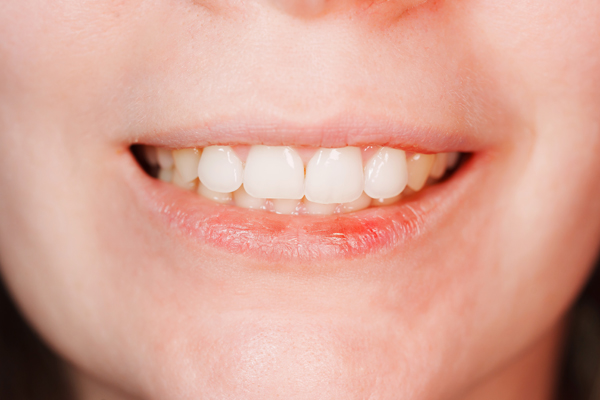
Full mouth reconstruction is a comprehensive dental treatment plan designed to restore a patient's smile to its optimal function, health, and appearance. It involves a combination of restorative and cosmetic procedures tailored to address various dental concerns, including missing teeth, severe decay, bite problems, and jaw misalignment. Understanding the steps involved in full mouth reconstruction can help patients make informed decisions about their dental care. Let us walk through the process of this transformative dental procedure.
What is full mouth reconstruction?
Full mouth reconstruction, also known as full mouth rehabilitation, is a multi-step dental process that restores the entire mouth's functionality. This may involve dental implants, crowns, bridges, veneers, dentures, and more. The practitioner will create a personalized treatment plan based on the individual's needs, ensuring that both the aesthetic appearance and functional aspects of the smile are addressed. Full mouth reconstruction can be the solution for patients with multiple dental issues that require a comprehensive approach to care.
Why choose full mouth reconstruction?
Individuals may choose full mouth reconstruction for various reasons. Severe tooth decay, multiple missing teeth, or damage from trauma or disease can severely affect both the appearance and function of one's teeth. These conditions may make eating, speaking, and smiling difficult, impacting one's overall quality of life. Full mouth reconstruction offers the opportunity to restore a healthy, natural-looking smile and regain full dental function. Additionally, it can address concerns related to bite misalignment, which can lead to discomfort or even jaw problems.
Common procedures involved in full mouth reconstruction
Full mouth reconstruction typically involves a combination of several procedures, each designed to address specific dental concerns. The most common procedures include:
- Dental implants. Dental implants serve as a permanent replacement for missing teeth, as they integrate with the jawbone.
- Crowns. Crowns, also known as caps, completely cover a vulnerable natural tooth or dental implant to provide a natural-looking and functioning smile.
- Onlays and Inlays. Onlays and inlays are indirect restorations that fit the shape of the damaged area within a natural tooth, restoring a natural-looking and functional smile.
- Bridges. Bridges are custom prosthetics that replace up to four consecutively missing teeth but do not require integration with the jawbone.
- Veneers. Veneers are thin shells that cover the front surface of teeth, enhancing their appearance and correcting issues such as chips, stains, or misalignment.
- Dentures. Full or partial dentures are removable replacements for missing teeth, serving as an alternative for those who are ineligible for dental implants or bridges.
- Clear aligners. For those with minor to moderate misalignments, the practitioner may introduce clear aligners to ensure proper function and aesthetic balance.
- Gum contouring. Gum contouring involves repositioning the gum line or removing excess tissue to reveal a more balanced smile.
- Grafting. Bone and grafting involve replacing diminished tissues with healthier or synthetic versions to increase volume.
What to expect during full mouth reconstruction
Full mouth reconstruction typically requires multiple stages, depending on the complexity of the patient's dental issues. The process begins with a comprehensive consultation with the dental practitioner, allowing them to assess the patient's overall oral health and discuss treatment options. Diagnostic tools such as X-rays and digital scans may be necessary to create a detailed treatment plan.
The reconstruction process may take several months to complete, especially if implants or extensive dental work are involved. Some procedures, such as dental implants, may require a healing period before final restoration is placed. Throughout the process, the practitioner will work closely with the patient to ensure their comfort is prioritized and that the results align with their goals.
Recovery and aftercare
Recovery from full mouth reconstruction varies depending on the specific procedures included in the treatment plan. For example, after dental implant surgery, patients may experience swelling or discomfort, which can typically be managed with over-the-counter pain relievers. It is important to follow the dentist's aftercare instructions carefully to avoid complications and ensure proper healing.
Patients will also need to maintain a proper oral hygiene routine to ensure the long-term success of their reconstruction. Regular check-ups with the dentist will be necessary to monitor progress and address any issues that arise during the healing period.
Schedule a consultation
Full mouth reconstruction offers a comprehensive solution for patients facing significant dental challenges. From restoring the function of missing or damaged teeth to improving overall appearance, this procedure can have a life-changing impact. If you need dental mouth reconstruction and want to learn which procedures are most effective for you, contact our Auburn Hills office to schedule a consultation.
Request an appointment here: https://www.smilefreshdentalauburnhills.com or call Smile Fresh Dental at (248) 260-2927 for an appointment in our Auburn Hills office.
Check out what others are saying about our dental services on Yelp: Full Mouth Reconstruction in Auburn Hills, MI.
Related Posts
Braces have been used for teeth straightening treatments for centuries, and they remain one of the options a dentist might recommend for patients with teeth alignment issues like overbites, crossbites, crooked, and misaligned teeth.Besides ruining the way your smile looks, these teeth alignment problems can also lead to symptoms like headaches, toothaches, and jaw pain.…
Dental inlays and crowns are two common restorative options for repairing damaged or decayed teeth. While both restore the tooth's functionality and appearance, they have different purposes and address different dental conditions. Both options are custom-made and provide durable solutions for restoring oral health and enhancing your smile. Understanding the differences between dental inlays and…
A cosmetic dentist can give you a bright, healthy smile. This provider can perform procedures that improve the appearance of your teeth and gums. Knowing the cosmetic dental treatments can help you make informed decisions about your next appointment. Here are the details about the common procedures your cosmetic dentist can provide.People with chipped or…
Cosmetic dentistry refers to dental procedures intended to enhance the appearance of your teeth. While most of these procedures are nonessential, they can offer a variety of health benefits as well. The field, once primarily reserved for celebrities and wealthy individuals, has become much more mainstream, offering a number of desirable and accessible procedures.The word…