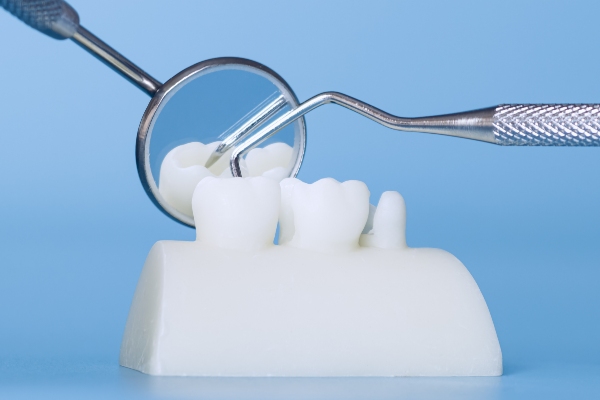
 Dental crowns aim to protect damaged or weakened teeth from additional deterioration and wear. While these restorations are durable, they can last even longer with the right care and maintenance. Whether placed to protect a tooth after a root canal or to cover a dental implant, crowns require consistent care to maintain their design's effectiveness.
Practice proper oral hygiene
Maintaining excellent oral hygiene is one of the most important steps in preserving the condition of dental crowns. Crowns are composed of biocompatible materials, including porcelain, ceramic, or metal. However, the tooth structure underneath the crown and surrounding soft tissue is still vulnerable to decay and gum disease. Patients should brush their teeth twice a day with a soft-bristle toothbrush and fluoride toothpaste. Additionally, flossing once a day can help remove plaque and food debris between teeth, including the gum line and other soft tissues around the dental crown.
Use non-abrasive dental products
Using non-abrasive toothpaste and avoiding whitening products that contain harsh ingredients can help preserve the crown's surface. Abrasive substances may wear down the glaze of porcelain crowns, leading to a dull appearance or increased susceptibility to staining. Selecting gentle oral care products helps maintain both the functionality and aesthetic appeal of crowns.
Avoid hard and sticky foods
Dental crowns can withstand the everyday forces of biting and chewing food. However, they are not indestructible. Chewing hard items such as ice, hard candy, or unpopped popcorn kernels may result in chips or cracks in the crown material. Sticky foods, such as caramel or chewing gum, can loosen the crown over time. Eating less of these types of food can lower the risk of damage and extend the life of the crown.
Wear a night guard to prevent teeth grinding or clenching
Individuals who grind or clench their teeth during sleep, also known as bruxism, can unintentionally cause damage to new dental crowns. Repetitive grinding and clenching can place excess pressure on crowns, potentially leading to fractures or the restoration becoming dislodged. Fortunately, a custom-made night guard from a general dentist can provide a protective barrier, minimizing the impact of grinding and preserving the integrity of both natural teeth and crowns.
Attend regular dental checkups
Routine dental visits with a general dentist ensure the long-term health and integrity of dental crowns. During checkups, dental professionals can assess the crown's placement, detect early signs of wear or damage, and perform professional cleanings. These visits also provide an opportunity for the dentist to evaluate the patient's gum health and surrounding teeth, ensuring a stable foundation for the crown.
Address issues with the crown as soon as possible
While dental crowns are durable, there are situations where patients may experience issues. They should seek professional care if they experience the following:
- Pain or swelling around the crown
- Gum recession around the crown
- Visible decay on or around the crown
- Loose crown
- Dislodged crown
- Visible damage to the crown (e.g., chips, cracks, or fractures)
Delaying treatment may worsen the issue or cause damage to the underlying tooth. Early diagnosis and treatment can prevent the need for more complex dental procedures.
Learn more about how to care for your dental crown
Dental crowns are an effective and durable tooth restoration option. Extend their longevity with the right care regimen. To learn more about care techniques, call our Auburn Hills office and speak with one of our team members.
Request an appointment or call Smile Fresh Dental at 248-260-2927 for an appointment in our Auburn Hills office.
Related Posts
Dentists often recommend dental crowns after a root canal to provide protection and restore the function of a tooth. A root canal treatment saves a tooth that has become infected or severely damaged, typically by deep decay or trauma. While the root canal procedure can save the natural tooth, the tooth may still be vulnerable…
Dental crowns help protect weak or damaged teeth and restore the shape, strength, and appearance of the tooth. A dentist may recommend a crown after a large filling, root canal, or injury. Since each patient has different needs, there are many types of crowns to choose from.Porcelain crowns are often chosen for front teeth because…
Dental crowns and fillings are two of the most common dental restorations. Fillings are effective at restoring teeth with minimal damage, but they have their limitations. For teeth that need more extensive repairs, a dental crown is a top choice. Learning more about the different capabilities of these dental restorations can make it clear why…