How Long Is Recovery From a Root Canal?
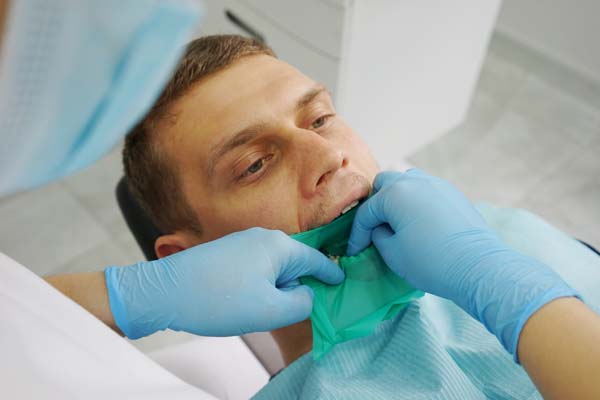
Root canal treatment can keep an injured or decayed tooth in place. You may start feeling unsure of taking this path because of its reputation of being too painful. On the contrary, your dentist will make sure you will not feel any pain during the procedure. Recovery is another issue to face after going through the procedure. If you want to know how long your recovery will be from your root canal, here are the details.
Recovering from the procedure
The key to a painless root canal treatment is the local anesthetic. This anesthetic will fade hours after the treatment. The soreness will come from the process of cleaning the inside of the tooth. It will also come from the new dental crown. Using the other side of the jaw for chewing will help reduce the pain.
Over-the-counter pain relievers can help remove the discomfort. Taking these medications at regular intervals can help the patient go back to normal activities. The patient should avoid stressing over recovery. The dentist will help the patient go through it.
Following the dentist’s instructions is important for proper healing. Most patients recover after a few days or so. In some cases, patients go through complications. These patients may take one to two weeks to heal. Any pain or swelling that pain medication cannot relieve will need treatment from the dentist or a doctor.
Root canal aftercare
The dentist will provide oral hygiene tips. Following them can make the patient’s recovery better and even faster. Brushing two times every day using a soft-bristled toothbrush is enough to clean the area. Doing this in a circular motion can remove more plaque and food particles. The dentist can even teach the patient how to do this.
Avoiding hard foods until the tooth is fully healed is a crucial point to remember. Reducing the intake of sweet and acidic drinks and dishes can decrease the risk for cavities and re-infection. Refraining from eating hard candies and chewing ice can help lengthen the life of the crown. It can also delay the healing of the treated tooth. Keeping the scheduled dental cleanings can ensure the health of the treated tooth and its neighboring teeth.
The need for a root canal treatment
This is a common procedure. Studies show that dentists complete about 14 million root canals every year. This treatment needs experience, skills, and knowledge about the inner structures of a tooth. Dental professionals with these credentials can also recommend alternative treatments for your issue.
Dental fractures and severe tooth decay can go deep enough to reach the root and pulp. These parts of the tooth contain blood vessels and nerves. Bacteria damage these inner sections, causing pain, infection, and instability. Root canal treatment can prevent further damage and keep the tooth in the jawbone.
The procedure
This treatment starts when the anesthetic takes effect. The dentist will drill a tiny opening in the affected tooth’s crown. Then, cleaning out the infected pulp will come next. The dentist will then disinfect and dry the inner chambers of the tooth. Patients with severe cases may need at least one appointment to complete the procedure. The dentist will need to place a temporary dental filling by the end of the first session.
A custom-fit dental crown will cover the tooth. The dentist will fix the crown with strong dental cement. This will seal the tooth against future infection and protect the tooth from further injury. It will also hold the tooth together.
Root canal treatment helps people keep their natural teeth. This treatment also ends the pain resulting from the infection or injury. The only alternative to this procedure is a dental extraction. A natural tooth will always be better than a dental replacement.
How one knows that a root canal is necessary
A visit to the dentist will confirm the need for this treatment. Persistent pain signals the need for this procedure. This pain may be around the tooth, as well as in the face or jaw. Pain when biting down, tooth discoloration, and temperature sensitivity are secondary symptoms. Calling the dentist right away will help schedule an appointment for the procedure. Some dentists may refer the patient to a dental professional with more training and knowledge about inner tooth disorders.
Recovering from a root canal treatment does not take long at all
It will feel like having a new tooth after your root canal procedure. Your dentist will remove the source of infection and protect the tooth. Recovering will be easy and quick as long as you follow your dentist’s instructions. Taking pain relievers can help manage the pain from the treatment.
Are you considering having root canal treatment in the Auburn Hills area? Get more information at https://smilefreshdentalauburnhills.com.
Check out what others are saying about our services on Yelp: Read our Yelp reviews.
Related Posts
Oral surgery is a branch of dental care that offers a wide range of procedures designed to address conditions and issues affecting the mouth, teeth, and jaw. These procedures can help maintain oral health and address complex dental problems. Understanding the different approaches to oral surgery can help patients make informed decisions about their treatment…
Oral health is important to one’s overall health. A family dentist can provide regular dental checkups, teeth cleanings, and restorative and preventive dental treatments. With such a broad range of services, patients tend to have many questions about family dentistry. In this article, we will answer the most frequently asked questions we hear at our…
The teeth whitening trays from a dentist are not the same as store-bought ones. The kits do not have the same chemical strength as that from a dentist. Take-home whitening trays can whiten your teeth after a period of continuous use. If you want to know more about take-home teeth whitening trays, here are some…
A family dentist is a type of dental practitioner who provides numerous services to patients of all ages. This type of dentist is specially trained to treat children, adults, and seniors and can help with various dental issues, from routine cleanings to complex restorative procedures. This blog post will discuss the types of services offered…