The General Dentist’s Role in Implant Surgery
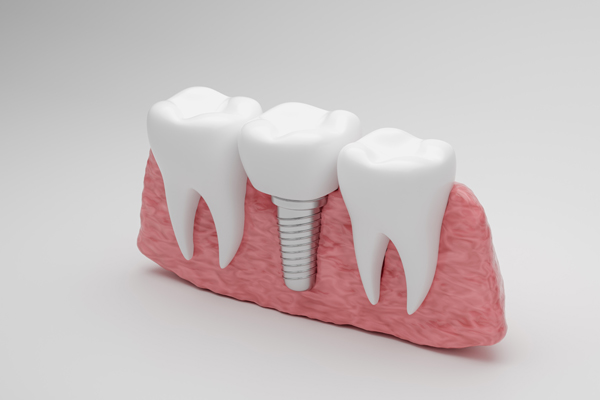
Implant surgery has become a cornerstone of modern restorative dentistry. A general dentist is a crucial partner to have throughout every phase of implant surgery. These dental professionals ensure that implant procedures are integrated into the patient's overall healthcare. Working with a general dentist can improve the overall safety and success of implant surgery, contributing to the long-term health of your smile.
Determining patient eligibility
The first step in implant surgery involves identifying whether a patient is a suitable candidate. A general dentist often leads this process by evaluating the patient's oral health, bone density, gum condition, and overall medical history. They will use diagnostic tools such as X-rays and 3D imaging to help determine whether the patient is eligible for implant placement. This in-depth imaging will highlight any anatomical concerns the patient must address before surgery, such as untreated periodontal disease.
Patients with sufficient bone volume and healthy gums are typically ideal candidates for implant surgery. When additional procedures, such as bone grafting, are needed, the general dentist collaborates with specialists, including periodontists or oral surgeons, to ensure comprehensive treatment planning and optimal safety and efficacy.
Designing the patient's treatment plan
Once candidacy is established, the general dentist works closely with the patient to develop a personalized treatment plan. This plan includes:
- The type of dental implant restoration
- The number of implants needed
- Additional procedures like bone grafting
- The placement strategy
- Expected healing timeline
Depending on the complexity of the procedure, the general dentist may refer patients to a surgical specialist for implant placement. However, they will remain actively involved in the treatment planning and coordination. This team-based approach ensures a smooth transition between surgical and restorative phases.
The general dentist will also help manage the patient's expectations, provide preoperative instructions, and prepare the mouth for surgery when needed. This collaborative care improves the patient experience and minimizes the risk of complications during and after implant surgery.
Placing the restoration
After the implant fixtures are surgically placed and given time to integrate with the jawbone, the general dentist will assume the lead in the restorative phase. They will place the abutments and design custom crowns, bridges, or dentures that attach securely to the implants. They will use impressions, digital scans, and shade matching to ensure the final prosthetic blends naturally with the surrounding teeth.
Throughout this phase, the general dentist and their team will monitor the patient's healing progress. They will ensure that the soft tissue blends in with the rest of the patient's smile while providing a stable foundation for the final restoration. Additionally, the dental team will educate the patient about proper hygiene and implant care to promote long-term success.
Long-term maintenance and follow-up care
After the surgery is complete, the general dentist remains a primary provider in maintaining the patient's implant health and overall oral care. During regular checkups, the dentist will evaluate the implant and look for possible issues, such as peri-implantitis. They will also look for signs of mechanical wear and tear on the restoration.
This long-term follow-up care is essential because, although dental implants have a high success rate, they require diligent care and maintenance. The general dentist will take the time to educate patients on proper cleaning techniques. They may recommend specialized tools such as interdental brushes or water flossers to support daily maintenance.
The benefits of working with a general dentist
Having a general dentist involved in implant surgery provides several advantages. For example, the general dentist is typically the practitioner with the most comprehensive understanding of a patient's dental history, which enables personalized treatment planning tailored to their specific needs. They also provide the continuity of care from the initial assessment through the final restoration placement, which fosters better treatment outcomes.
In many cases, general dentists can perform straightforward implant surgeries themselves. This is particularly true when the procedures do not require advanced techniques such as sinus lifts or complex bone grafting. In such situations, the general dentist can offer a more streamlined and efficient path to tooth replacement.
Moreover, general dentists serve as educators and advocates. They can help their patients make informed decisions about implant surgery, presenting treatment options in a clear and accessible manner.
We are here to make the process as easy as possible
Do you have questions about an upcoming implant surgery? The Smile Fresh Dental general dentistry team is here to support you through every part of the process. Reach out to our Auburn Hills office to learn more about our restorative services or to schedule an appointment.
Request an appointment here: https://www.smilefreshdentalauburnhills.com or call Smile Fresh Dental at (248) 260-2927 for an appointment in our Auburn Hills office.
Check out what others are saying about our dental services on Yelp: Dental Implants in Auburn Hills, MI.
Related Posts
Implant restoration plays a vital role in restoring the appearance and function of a complete smile after tooth loss. Dental implants provide a strong, stable foundation, and the restoration process completes the treatment by adding a custom crown, bridge, or denture to complete the treatment. Implant restoration enhances aesthetics, chewing ability, and long-term oral health,…
Dental crowns are a common restorative treatment used in general dentistry. They can restore severely damaged teeth, saving patients from the pain, time, and cost of extraction and replacement. Further, crowns come in a variety of safe, biocompatible materials. Exploring the facts about dental crowns can make you feel more confident in getting one.Dental crowns…
Dental crowns are custom-made caps placed over damaged or weakened teeth to restore strength, appearance, and function. General dentists often recommend dental crowns to prevent further deterioration of a damaged tooth and improve the patient's oral health. It is important to recognize when you may need a dental crown, get the treatment you need on…
Dental crowns can restore severely damaged teeth so that you can smile with confidence. Beyond aesthetics, they also reinforce the bite in strength and function. If you think you need a dental crown or are recommended one after a root canal, learning the step-by-step process of getting one can help you feel at ease.General dentists…